By
OCD Tech
December 11, 2025
•
3
min read
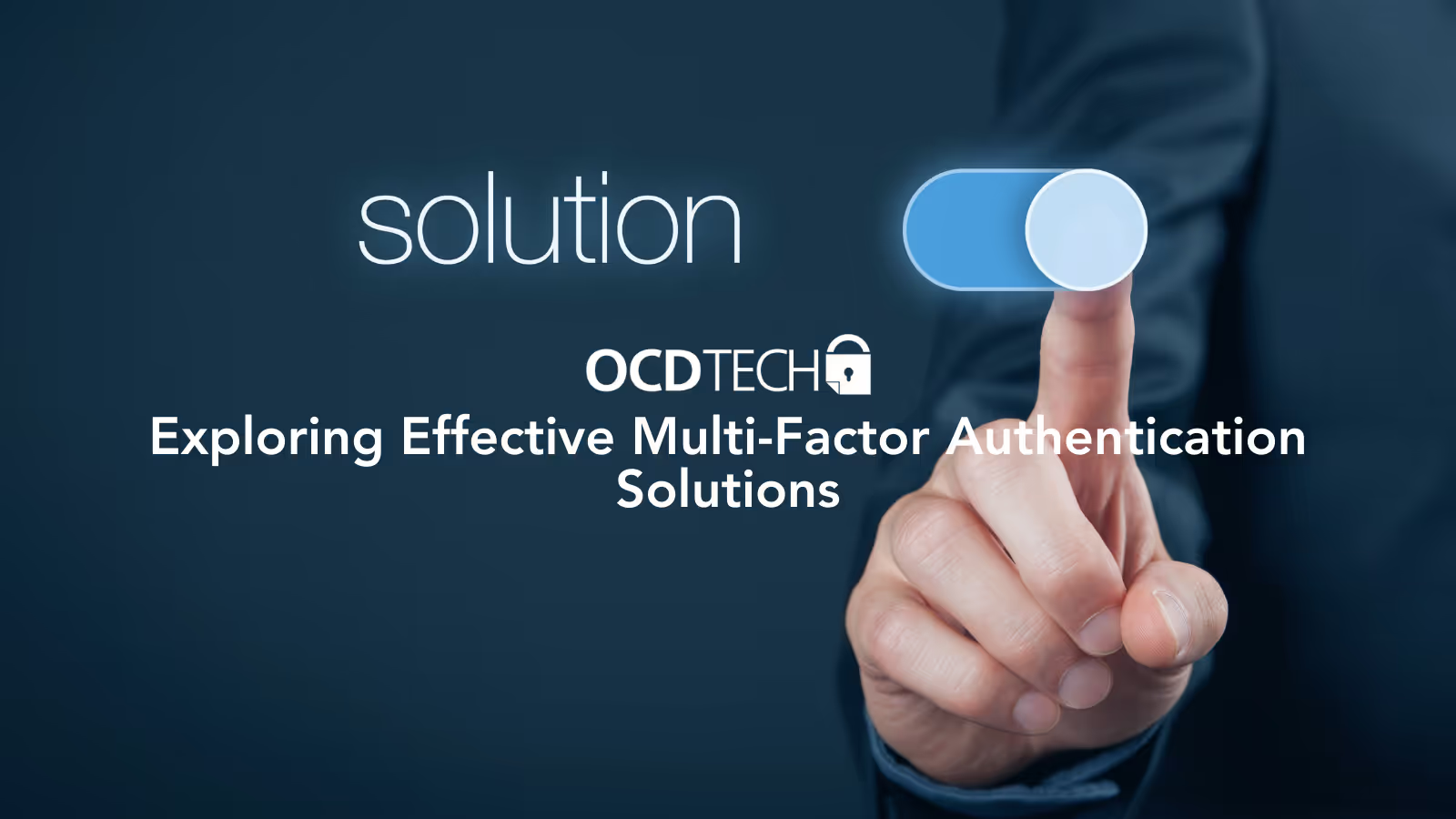
Multi-Factor Authentication (MFA) is a security system that requires more than one form of verification to access an account or system. It serves as a critical component in the cybersecurity arsenal, fortifying defenses by layering security measures. Unlike traditional single-factor authentication, which relies solely on a password, MFA incorporates multiple layers of security. These layers are typically categorized into three types of information: something you know (e.g., a password), something you have (e.g., a smartphone), and something you are (e.g., a fingerprint).
At its core, MFA works by requiring two or more verification factors to gain access to a resource such as an application, online account, or VPN. This multi-layered approach significantly enhances security by adding additional barriers for potential intruders. Each factor serves a distinct purpose and acts as a line of defense, reducing the chances of unauthorized access. This layered security model not only protects sensitive data but also ensures compliance with industry regulations and standards.
The three main categories of authentication factors—knowledge, possession, and inherence—each add a unique layer of security. Knowledge factors include things you know, like passwords or PINs. Possession factors require something you have, such as a mobile device or security token. Inherence factors involve something you are, such as biometric data like fingerprints or facial recognition. By combining these factors, MFA systems create a robust security framework that is much harder for attackers to penetrate.
MFA technologies have evolved significantly over the years. Initially, they relied on physical tokens and simple password-based systems. Today, advancements in technology have introduced more sophisticated methods such as biometric authentication, mobile-based apps, and adaptive authentication systems. These innovations not only enhance security but also improve user experience by making the authentication process more seamless and user-friendly. As the threat landscape continues to evolve, so too will the technologies underpinning MFA systems.
The adoption of MFA is not merely a precaution but a necessity in the contemporary business landscape. Cybercriminals are relentlessly seeking vulnerabilities, and traditional authentication methods are often insufficient to thwart sophisticated attacks. Implementing MFA can significantly reduce the risk of unauthorized access, thus safeguarding your business's most valuable assets—its data and customer trust.
The digital age has brought about an unprecedented wave of cyber threats. From phishing scams to ransomware attacks, the avenues for malicious actors to exploit vulnerabilities are ever-increasing. Traditional security measures, such as passwords, are often inadequate against these advanced threats. MFA acts as a critical barrier, providing additional layers of protection that can mitigate the impact of potential breaches. By requiring multiple forms of verification, MFA significantly reduces the risk of unauthorized access even if one factor, like a password, is compromised.
For businesses, protecting sensitive data is paramount. This includes customer information, financial records, and proprietary technology. A data breach can have devastating consequences, ranging from financial losses to reputational damage. MFA serves as a robust defense mechanism, ensuring that only authorized individuals can access sensitive systems and data. This protection is essential not only for maintaining operational integrity but also for complying with regulatory requirements and industry standards.
In an era where data breaches are commonplace, customers are increasingly concerned about the security of their personal information. Implementing MFA not only enhances security but also builds trust with customers. By demonstrating a commitment to protecting customer data, businesses can differentiate themselves from competitors and foster long-term relationships with their clientele. This trust is invaluable, translating into customer loyalty and positive brand reputation.
When considering MFA solutions, it is crucial to assess various options to determine which best fits the unique requirements of your business. Below, we delve into the essential features and considerations when evaluating MFA services.
One of the primary considerations in selecting an MFA solution is its versatility and ease of integration with existing systems. A robust MFA service should seamlessly integrate with your current IT infrastructure, including cloud services, on-premises applications, and mobile devices. This capability ensures a smooth transition and minimizes disruptions to daily operations.
A successful MFA solution must be compatible with your existing IT infrastructure. This includes ensuring that the solution can integrate with your current systems, whether they are on-premises, cloud-based, or a hybrid of both. Seamless integration minimizes the need for extensive modifications to existing processes and reduces the risk of operational disruptions. Compatibility with a wide range of applications and platforms also ensures that all users and systems are protected under the MFA umbrella.
With the rise of remote work and mobile computing, it's crucial that your MFA solution supports cloud and mobile environments. This includes integration with popular cloud services such as AWS, Azure, and Google Cloud, as well as compatibility with iOS and Android devices. Mobile integration is particularly important for enabling secure access for employees on the go, ensuring that security is maintained regardless of location.
For businesses with custom applications, support for APIs and SDKs is vital. This allows for the integration of MFA into proprietary systems, extending security measures across all facets of your business operations. By leveraging APIs and SDKs, developers can create tailored authentication processes that meet the specific needs and workflows of the organization, ensuring a cohesive security strategy.
While security is paramount, the user experience must not be overlooked. A cumbersome or overly complex MFA process can lead to user frustration and decreased productivity. An effective MFA solution should provide a balance between security and convenience, offering an intuitive user interface and streamlined authentication processes. This balance is vital to encourage widespread adoption and compliance among employees.
An effective MFA solution should prioritize ease of use without compromising security. This involves creating authentication processes that are intuitive and require minimal effort from users. Features such as single sign-on (SSO) can help streamline the login experience, allowing users to access multiple applications with a single set of credentials. By reducing friction, businesses can enhance user satisfaction and encourage compliance with security protocols.
The user interface plays a critical role in the overall MFA experience. An intuitive interface simplifies the authentication process, making it easy for users to navigate and complete necessary verification steps. Clear instructions, logical workflows, and responsive design all contribute to a positive user experience. A well-designed interface minimizes the learning curve, ensuring that employees can quickly adapt to and embrace the MFA system.
Achieving the right balance between security and convenience is key to a successful MFA implementation. While it's important to provide robust security, the solution should not be so burdensome that it hinders productivity. Adaptive authentication is one way to achieve this balance, allowing the system to adjust security measures based on contextual information. By tailoring the level of authentication required to the risk level, businesses can enhance security without imposing unnecessary burdens on users.
Advanced MFA solutions often incorporate adaptive authentication, a feature that dynamically adjusts the level of security based on contextual information. For instance, if a user attempts to access the system from an unfamiliar device or location, the MFA system may prompt for additional verification steps. This flexibility enhances security without imposing unnecessary burdens on users during routine access.
Adaptive authentication relies on contextual risk analysis to evaluate the likelihood of a security threat. By analyzing factors such as device type, location, time of access, and user behavior, the system can assess the risk level of each login attempt. High-risk scenarios may trigger additional authentication steps, while low-risk situations allow for a seamless login experience. This dynamic approach ensures that security measures are proportionate to the potential threat.
Behavioral biometrics is an emerging technology that enhances adaptive authentication. By analyzing patterns in user behavior, such as typing speed, mouse movements, and device usage, the system can create a unique behavioral profile for each user. Deviations from this profile can trigger additional verification steps, adding an extra layer of security. This innovative approach not only improves security but also enhances the user experience by allowing for more personalized and context-aware authentication processes.
Adaptive authentication enhances the user experience by providing a more tailored and efficient authentication process. By adjusting security measures based on real-time data, users can enjoy a seamless experience during low-risk scenarios while still benefiting from heightened security when necessary. This flexibility reduces the likelihood of user frustration and increases compliance with security protocols, ultimately contributing to a more secure and productive work environment.
The successful implementation of MFA requires a strategic approach and adherence to best practices. Here, we outline key strategies to ensure the efficacy of your MFA deployment.
Before deploying MFA, conduct a thorough risk assessment to identify potential vulnerabilities and prioritize areas requiring heightened security. This assessment will inform your choice of MFA factors and guide the development of a tailored implementation plan.
A key component of risk assessment is identifying the critical assets that require protection. This includes sensitive data, intellectual property, and systems essential to business operations. By understanding the assets at risk, businesses can prioritize their security efforts and allocate resources effectively. This targeted approach ensures that the most valuable and vulnerable components are adequately protected by the MFA solution.
Understanding the threat landscape is essential for effective risk assessment. This involves analyzing potential threats, such as cyber attacks, insider threats, and data breaches, that could impact the organization. By evaluating the likelihood and impact of these threats, businesses can develop a comprehensive security strategy that addresses both current and emerging risks. This proactive approach enables organizations to anticipate and mitigate potential security challenges.
Once the risk assessment is complete, develop a tailored implementation plan that outlines the steps needed to deploy MFA effectively. This plan should include timelines, resource allocation, and key performance indicators to measure success. By establishing clear objectives and milestones, businesses can ensure a smooth and efficient rollout of the MFA solution. A well-structured implementation plan also facilitates communication and collaboration among stakeholders, promoting a unified approach to security.
Educating employees about the importance of MFA and how to use it effectively is crucial to the success of your security strategy. Provide comprehensive training sessions and resources to ensure that all staff members understand the benefits and procedures associated with MFA. This education fosters a culture of security awareness and compliance within your organization.
Effective training programs are essential for ensuring that employees understand and comply with MFA protocols. These programs should be tailored to the specific needs of the organization and delivered in a format that is engaging and accessible. This could include in-person workshops, online courses, or interactive modules. By providing clear and concise information, businesses can empower employees to embrace MFA and integrate it into their daily routines.
Creating a culture of security involves fostering an environment where employees recognize the importance of safeguarding sensitive information. This includes promoting best practices, encouraging vigilance, and rewarding compliance. By making security a shared responsibility, businesses can enhance their overall security posture and reduce the likelihood of human error leading to a security breach. A strong security culture also supports continuous improvement and adaptation to evolving threats.
The cybersecurity landscape is constantly changing, and ongoing education is essential for keeping employees informed about the latest threats and security measures. Regular updates, refresher courses, and workshops can help ensure that employees remain aware of emerging risks and best practices. By prioritizing continuous learning, businesses can maintain a proactive approach to security and empower employees to contribute to the organization's defense against cyber threats.
Cyber threats are continually evolving, and your MFA solution must adapt accordingly. Regularly review and update your MFA strategy to incorporate the latest security advancements and address emerging threats. Collaborate with your MFA service provider to ensure that your solution remains cutting-edge and effective.
Regularly monitoring and analyzing security metrics is crucial for assessing the effectiveness of your MFA solution. This includes tracking login attempts, identifying potential security incidents, and evaluating user compliance with MFA protocols. By analyzing this data, businesses can gain insights into the performance of their MFA system and identify areas for improvement. Continuous monitoring also enables organizations to respond swiftly to potential threats and mitigate their impact.
Collaboration with your MFA provider is essential for maintaining an up-to-date and effective security solution. Regular communication and feedback can help ensure that the provider is aware of your organization's specific needs and challenges. This collaboration can lead to the development of customized solutions and the implementation of new features that enhance security. By working closely with your provider, businesses can stay ahead of emerging threats and maintain a robust security posture.
The threat landscape is constantly evolving, and staying informed about emerging threats is essential for maintaining effective security measures. This involves regularly reviewing industry reports, participating in security forums, and attending conferences to stay abreast of the latest developments. By adapting your MFA strategy to address new threats, businesses can ensure that their security measures remain relevant and effective in protecting their assets.
To illustrate the tangible benefits of MFA, consider the case of a mid-sized financial services firm that successfully thwarted a potential data breach by implementing a comprehensive MFA solution. The firm faced an attempted intrusion from a malicious actor exploiting compromised credentials. However, the MFA system detected the suspicious login attempt and triggered an additional verification step, effectively blocking the unauthorized access and safeguarding sensitive client information.
The financial services firm recognized the importance of protecting client data and the potential consequences of a data breach. With sensitive financial information at stake, the firm needed a robust security solution to prevent unauthorized access. Traditional security measures were deemed insufficient, prompting the organization to explore advanced authentication methods.
The firm opted for a comprehensive MFA solution that incorporated multiple authentication factors and adaptive authentication capabilities. This included the use of biometric verification, one-time passcodes, and contextual analysis to assess the risk of each login attempt. The implementation process involved seamless integration with existing systems and extensive employee training to ensure compliance and understanding.
The successful deployment of MFA not only thwarted the attempted data breach but also reinforced the firm's commitment to client security. The additional verification steps provided a critical layer of protection, preventing unauthorized access and maintaining the integrity of client data. The firm learned valuable lessons about the importance of proactive security measures and the need for continuous adaptation to evolving threats. This experience underscored the value of MFA as a key component of their cybersecurity strategy.
Selecting the right MFA service provider is pivotal to the success of your cybersecurity strategy. When evaluating potential providers, consider the following criteria:
Opt for providers with a proven track record and extensive experience in the cybersecurity industry. A well-established provider is likely to have a deep understanding of the challenges businesses face and the solutions needed to address them. Look for providers with positive reviews and testimonials from clients, as well as industry certifications and recognitions that demonstrate their expertise and commitment to security.
Ensure that the provider offers customizable solutions tailored to your business's specific needs and provides ongoing technical support. A one-size-fits-all approach may not be suitable for all organizations, so it's important to choose a provider that can adapt their solutions to meet your unique requirements. Additionally, reliable technical support ensures that any issues can be quickly resolved, minimizing disruptions to your operations.
Choose a provider whose solutions can scale with your business growth and adapt to changing security requirements. As your organization expands, your security needs will evolve, and it's essential to have an MFA solution that can accommodate these changes. Flexibility in deployment options, such as on-premises, cloud-based, or hybrid, is also important to ensure that the solution aligns with your IT strategy.
When selecting an MFA provider, it's important to evaluate their credentials and industry standing. This includes reviewing their client portfolio, case studies, and partnerships with other technology companies. A provider with a strong reputation and established relationships in the industry is more likely to deliver high-quality solutions and services. Additionally, consider the provider's commitment to innovation and their ability to stay ahead of emerging security trends.
Cost is an important consideration when choosing an MFA provider, but it's essential to look beyond the initial price tag. Evaluate the total cost of ownership, including implementation, maintenance, and support costs, to determine the true value of the solution. Consider the potential return on investment (ROI) in terms of reduced risk, improved security, and enhanced productivity. A cost-effective solution should provide tangible benefits that justify the investment.
In conclusion, Multi-Factor Authentication is an indispensable component of a robust cybersecurity framework. By implementing effective MFA solutions, businesses can significantly reduce the risk of unauthorized access and protect their digital assets from the pervasive threats lurking in the shadows of the internet. As you embark on this crucial journey, remember that the right MFA strategy, combined with a commitment to continuous improvement and employee education, will empower your organization to navigate the complex cybersecurity landscape with confidence.
As cyber threats continue to evolve, embracing MFA as a strategic imperative is essential for safeguarding your business. By prioritizing MFA implementation, businesses demonstrate a proactive approach to security, reinforcing their commitment to protecting sensitive data and maintaining customer trust. The insights and strategies outlined in this article provide a comprehensive guide to exploring and implementing effective MFA solutions tailored to your business's unique security needs.
Prioritizing MFA today sets the foundation for a secure future. As the digital landscape continues to transform, businesses must remain vigilant and adaptable to emerging threats. By staying informed about the latest developments in MFA technology and continuously refining security strategies, organizations can maintain a robust defense against cyber threats. This proactive approach not only protects valuable assets but also positions businesses for long-term success in an increasingly interconnected world.
With the insights and strategies outlined in this article, you are now equipped to explore and implement effective MFA solutions tailored to your business's unique security needs. Take action today to secure your organization's digital assets and protect against the ever-present threats in the cyber landscape. By prioritizing MFA implementation and fostering a culture of security awareness, businesses can confidently navigate the complexities of the digital age and ensure a secure future.


Audit. Security. Assurance.
IT Audit | Cybersecurity | IT Assurance | IT Security Consultants – OCD Tech is a technology consulting firm serving the IT security and consulting needs of businesses in Boston (MA), Braintree (MA) and across New England. We primarily serve Fortune 500 companies including auto dealers, financial institutions, higher education, government contractors, and not-for-profit organizations with SOC 2 reporting, CMMC readiness, IT Security Audits, Penetration Testing and Vulnerability Assessments. We also provide dark web monitoring, DFARS compliance, and IT general controls review.
Contact Info
.svg)
OCD Tech
.svg)
288 Grove Street, Suite 343, Braintree, MA 02184
.svg)
844-623-8324
.svg)
https://ocd-tech.com
Follow Us
.svg)
.svg)
.svg)
Videos
Check Out the Latest Videos From OCD Tech!
Services
SOC Reporting Services
– SOC 2 ® Readiness Assessment
– SOC 2 ®
– SOC 3 ®
– SOC for Cybersecurity ®
IT Advisory Services
– IT Vulnerability Assessment
– Penetration Testing
– Privileged Access Management
– Social Engineering
– WISP
– General IT Controls Review
IT Government Compliance Services
– CMMC
– DFARS Compliance
– FTC Safeguards vCISO
.jpg)